Naturalistic Garden in Umbria
DATE: December 2025 – February 2026
BRIEF PROJECT DESCRIPTION: Preliminary design and technical-economic feasibility study for a 450 m² private garden in Umbria.
PROJECT DESCRIPTION:
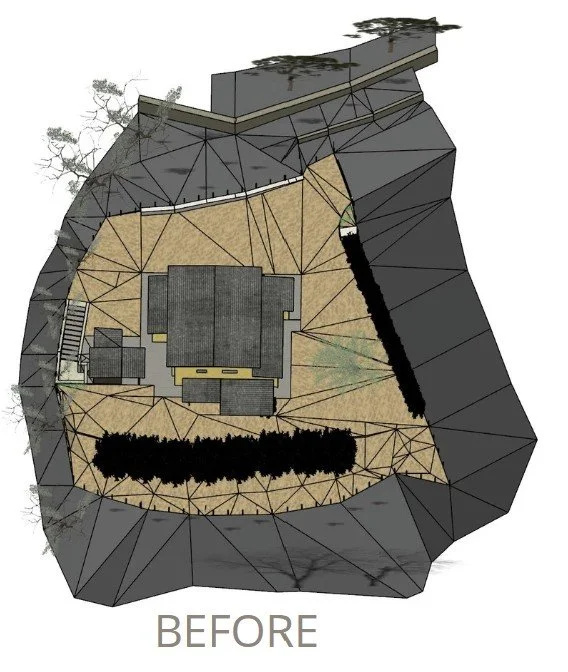
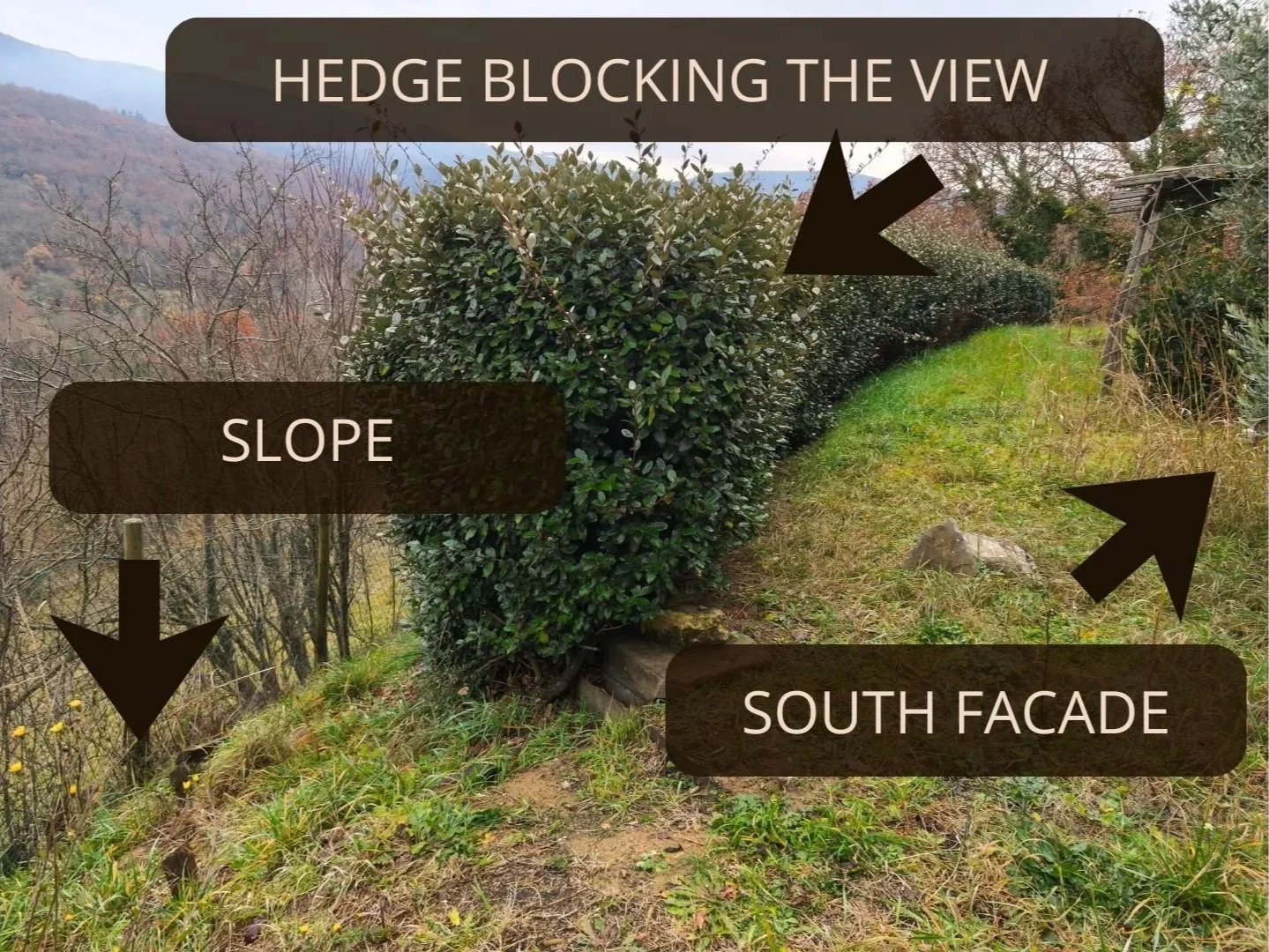
1. During the first site visit, the garden felt small and fragmented. I still remember the sensation of walking into the space for the first time: constrained, as if the energy of the place could not flow freely. Everywhere there seemed to be a visual barrier — a hedge, a structure, or an obstacle interrupting the view.
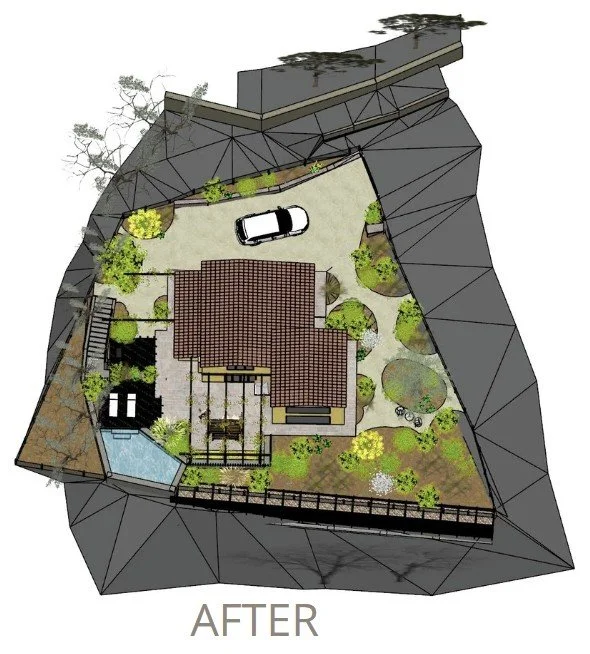
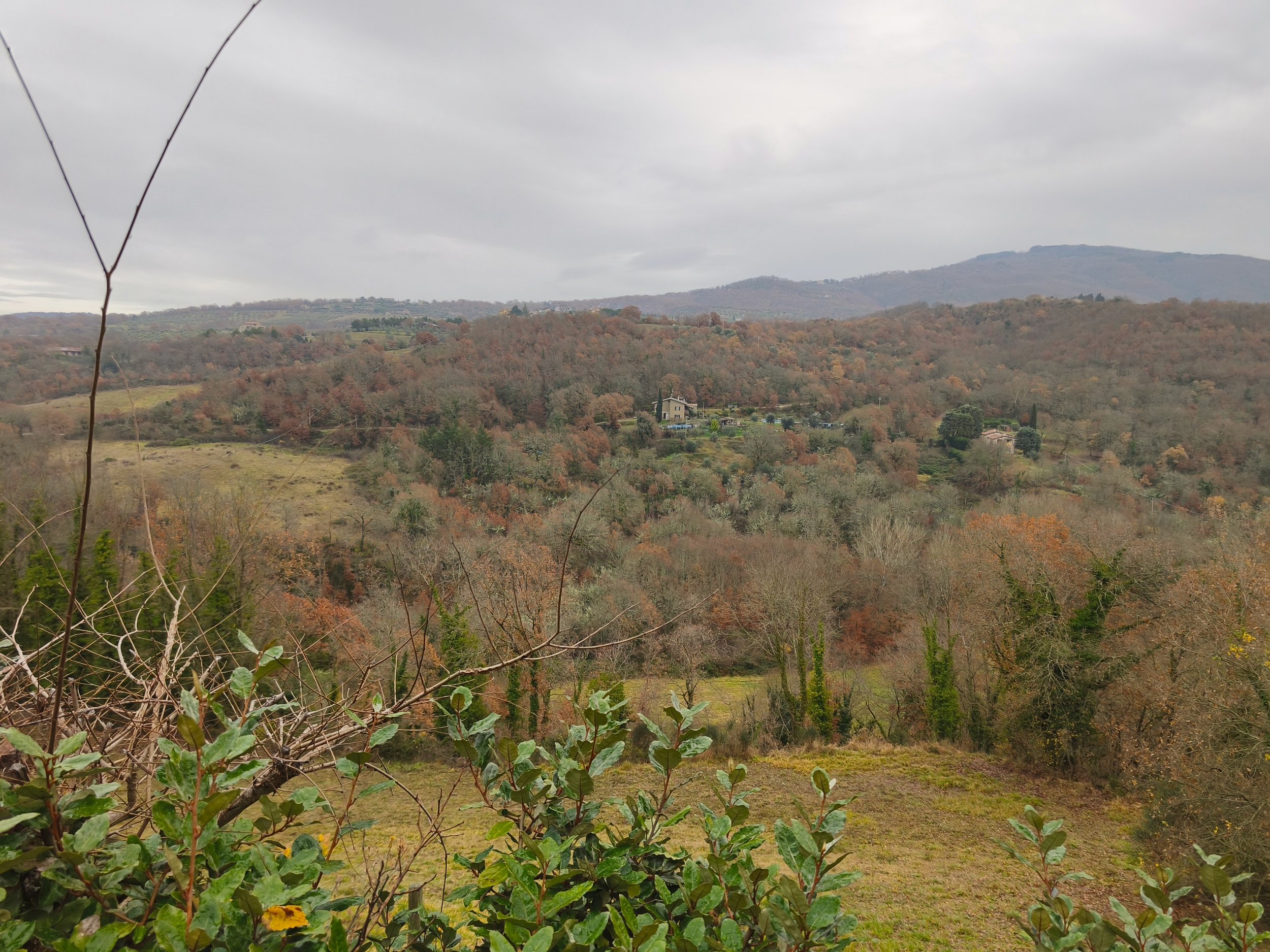
Yet the site plan told a different story. With approximately 450 m² of outdoor space, the garden held far greater potential than its first impression suggested. From this contrast emerged the central idea of the project: to open up views, connect the different areas, and restore a sense of continuity, allowing the garden to engage more fully with the surrounding landscape.
What initially appeared to be a limitation — the slope beyond the hedge — became a key design opportunity. Rather than hiding it, the project embraces this feature, using it to create depth, expand visual perception, and strengthen the relationship between the garden and the wider landscape.
2. The client is an entrepreneur in the tourism sector who moved from Australia to Italy ten years ago, inspired by a deep interest in the history and architecture of ancient Rome. This is the first home she has owned and envisioned for herself, and she wanted every part of it to reflect her identity and way of living.
She imagined a welcoming garden with a balance of shelter and openness, reminiscent of the garden of her childhood home in Australia. Among the photographs she shared, certain elements appeared again and again: vertical structures — trunks, posts, and light frameworks — surrounded by vegetation and filtered light. These spaces conveyed a strong sense of rootedness, comfort, and protection.
These images guided the design more than any functional diagram.
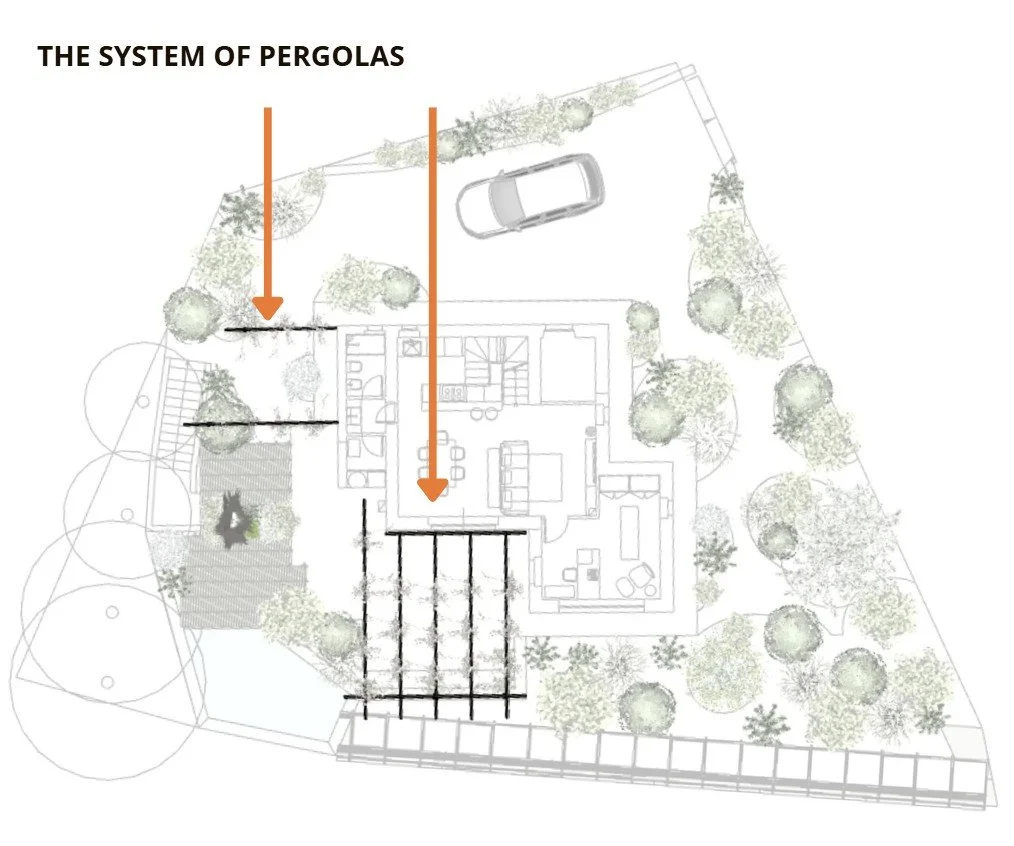
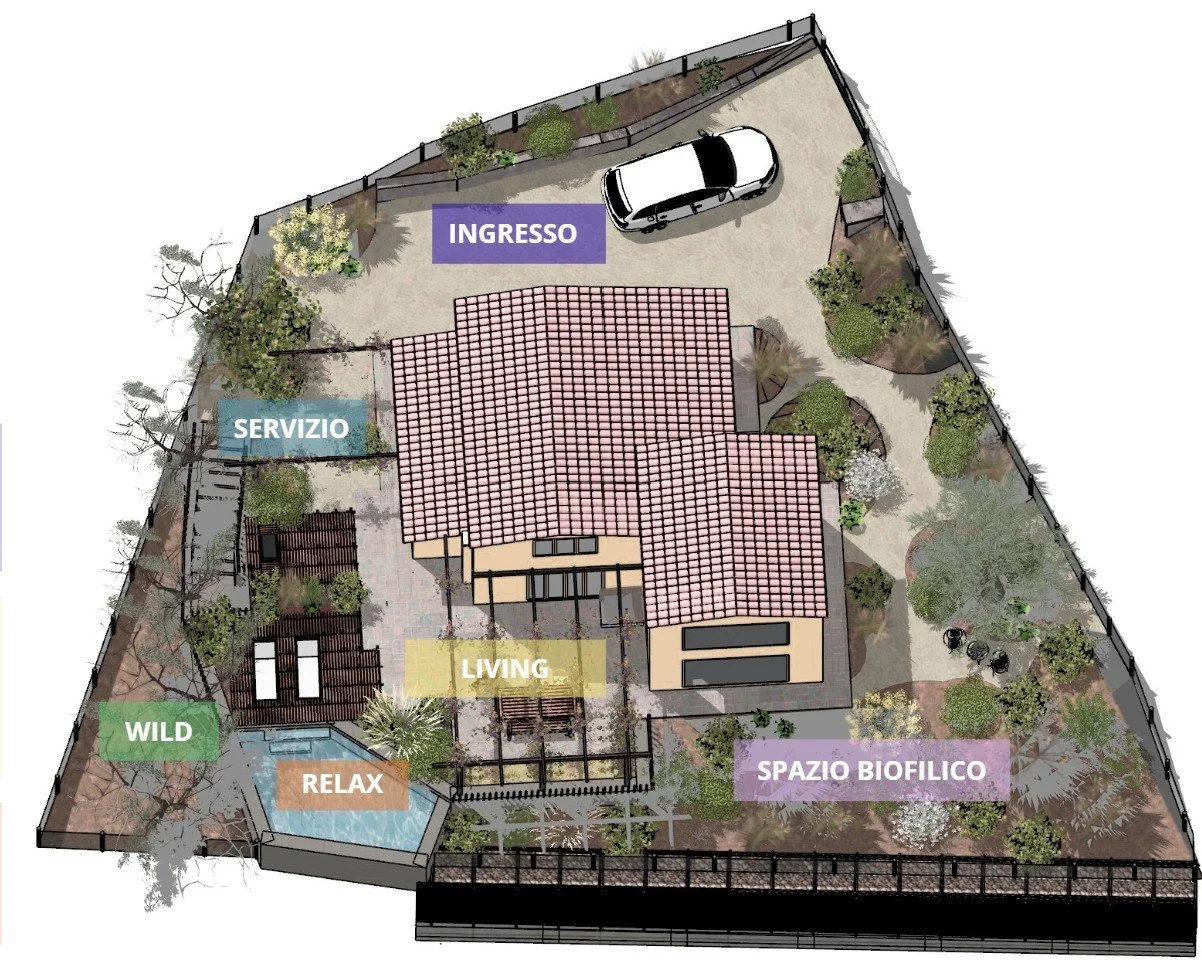
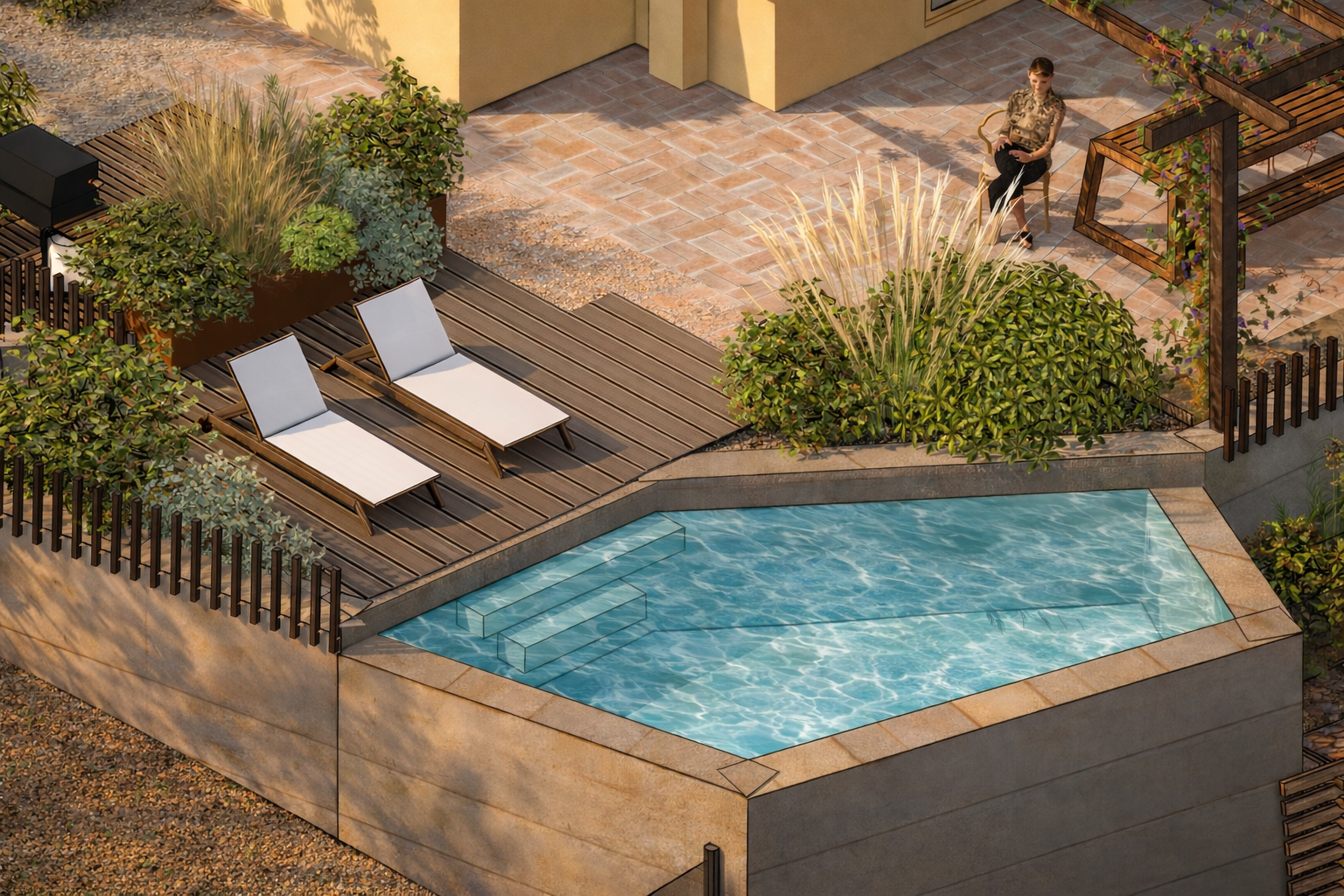
A sequence of pergolas was introduced to accompany movement through the garden. Beginning near the house, the structure frames the path towards the central area, creating a sense of arrival. It then opens up, allowing light and space to define the pool and deck area. Further on, the pergola reappears above the dining space, where shade becomes essential during the warmer months. The result is a rhythm of sun and shade, enclosure and openness. Grapevines growing over the structures will provide seasonal shade in summer while allowing sunlight to filter through during winter.
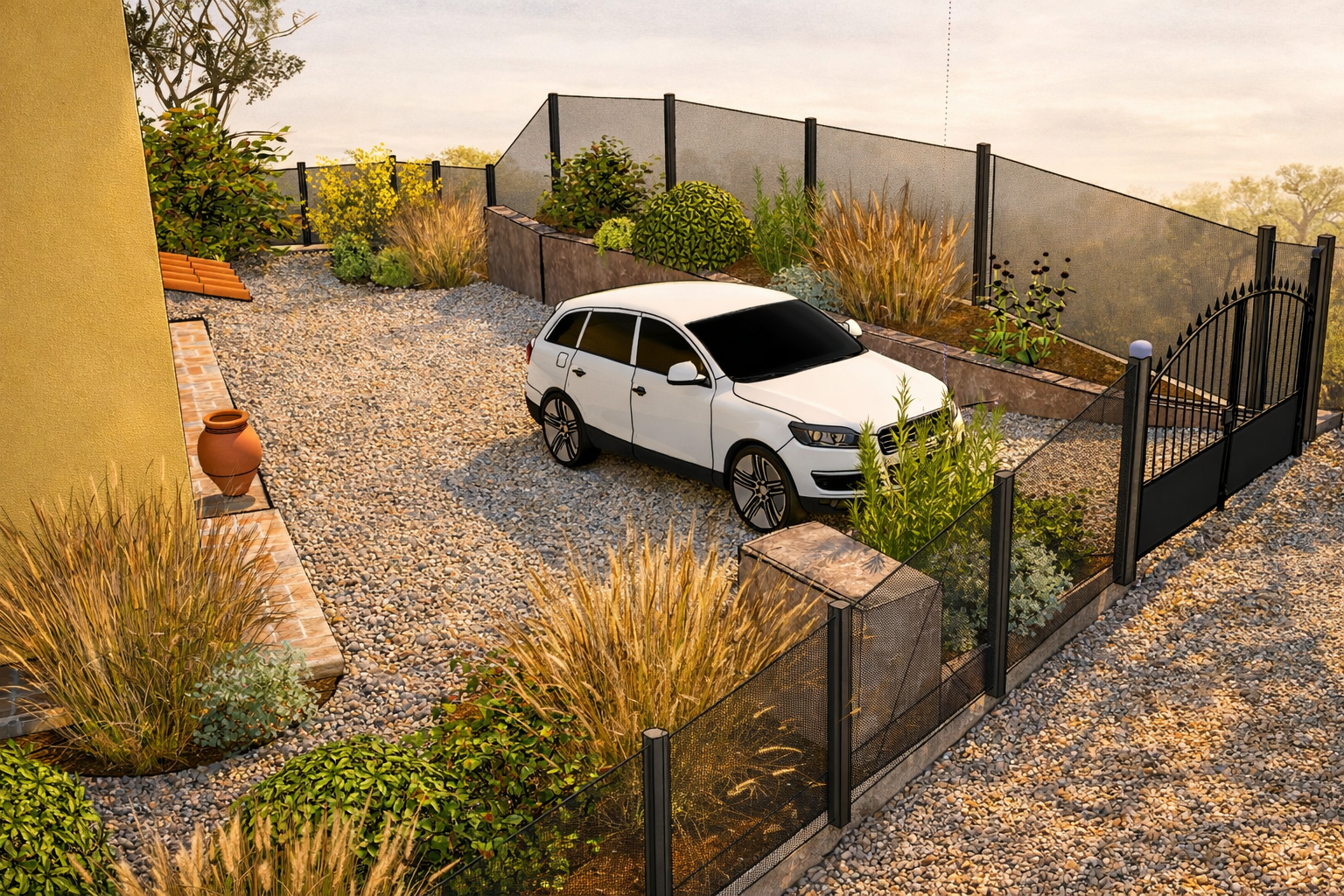
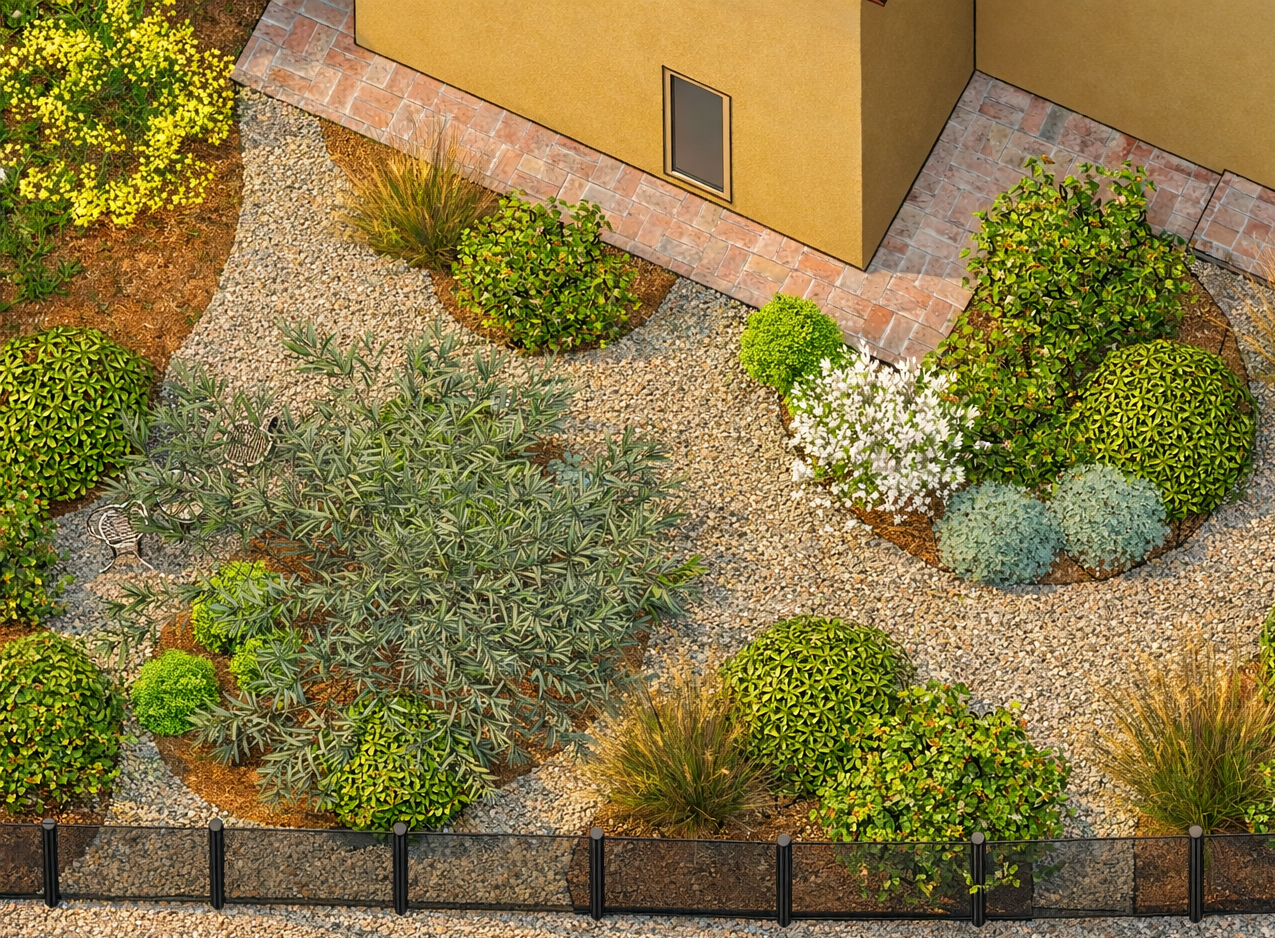
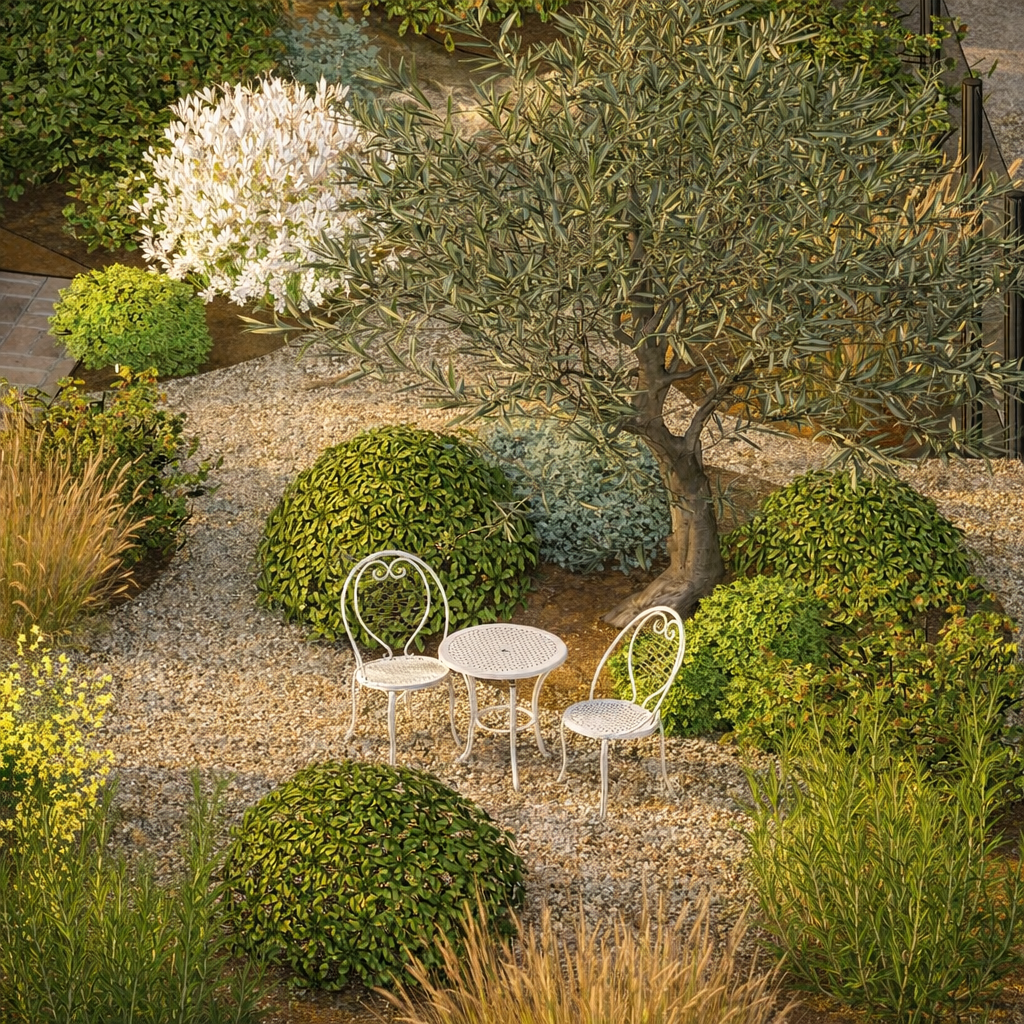
Another important wish was to feel connected to the landscape and cultural identity of the place. For this reason, the eastern side of the garden was conceived as a Mediterranean garden, with gravel paths inspired by the landscapes of Mediterranean scrub and garigue. At its edge, a small table beneath an olive tree offers a quiet place to sit, rest, and enjoy the surrounding views.
3. Spatial Structure and Design Approach
The journey from the entrance is accompanied by a series of light timber structures that guide movement and create a gradual transition between the house and the garden. On a slightly lower level, an infinity pool is positioned to establish a visual connection with the surrounding landscape.
The remaining slope is transformed into a naturalistic Mediterranean garden, stabilized through a crib wall system that provides safety, integrates naturally with the terrain, and offers a sustainable engineering solution.
The planting design draws inspiration from the spontaneous plant communities of Umbria while selectively incorporating thermo-Mediterranean species where ecologically appropriate. The aim is to create resilient and visually rich plant communities, while exploring new planting combinations suited to the bioclimatic conditions of central Italy.